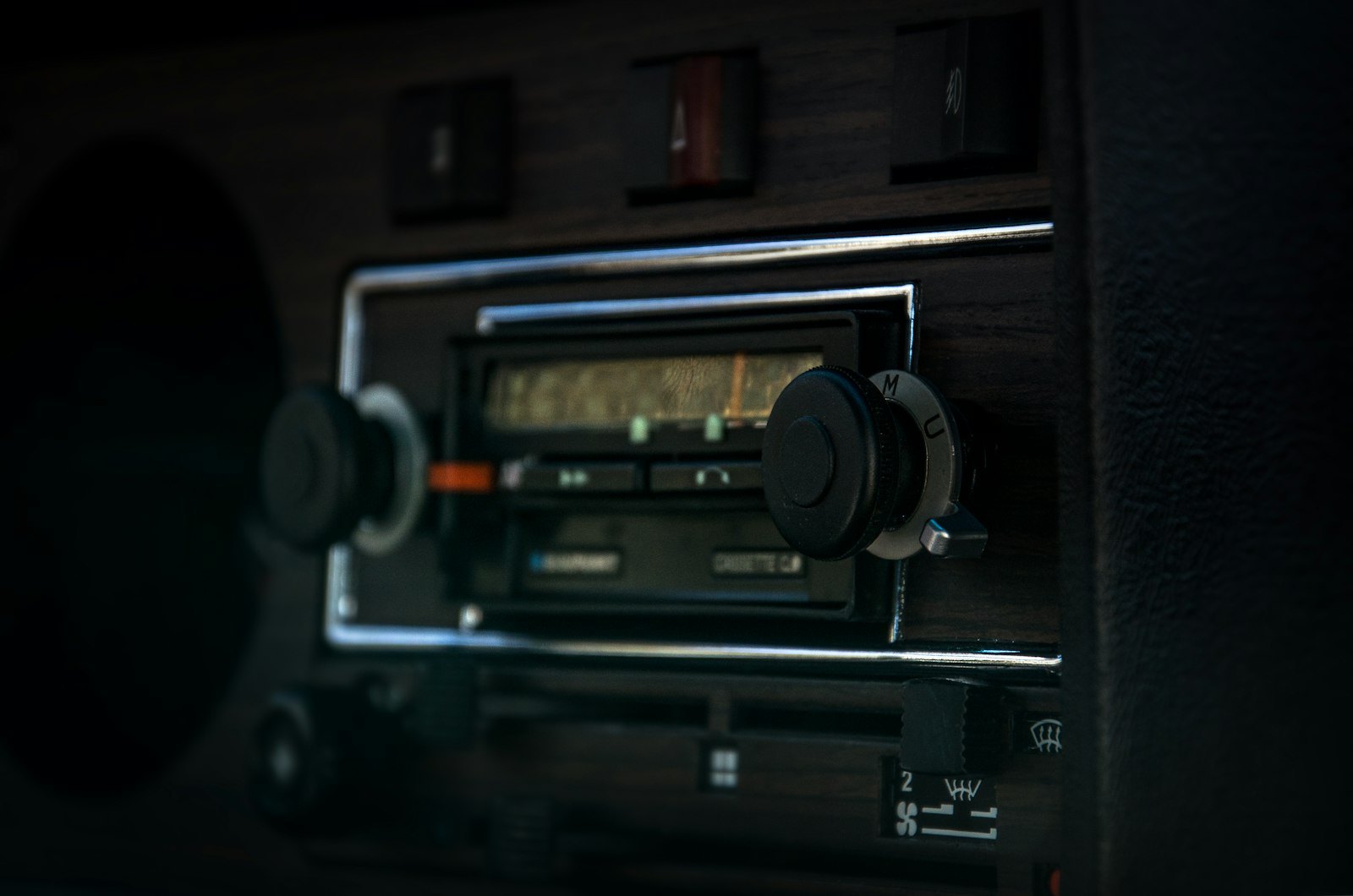
You finish a mix at 1 a.m. and it's perfect. The low end is fat, the vocal sits right, the whole thing glows. Then you play it in your car the next morning and it's a different song — thin, harsh, the vocal buried, the bass either missing or boomy. Suddenly you're questioning whether you can mix at all.
The short answer: It's a monitoring problem, not a mixing problem. Your room and speakers are coloring what you hear, so you "fix" things that were never broken, and that fake fix is what falls apart everywhere else. The cure is calibration, not gear: reference commercial tracks on every system you own, check the mix in mono, and chase midrange and tonal balance over everything else.
Your room is lying, and you believe it
The translation problem doesn't start in the car. It starts in your room, on the speakers you trust most.
Every untreated room has uneven bass response. Standing waves pile up in the 40–120 Hz range, so what you're hearing is partly your speakers and partly the room resonating with them. If your room adds bass, your ears adapt and call that inflated sound normal.
So you compensate. You pull a few dB out of the kick and bass to make it "sit right," because in your room it felt too loud. That cut is now baked into the file. In the car — where the room isn't adding that bass back — the low end is simply missing. You didn't mix it wrong on purpose. You corrected for a lie.
The same thing happens in the mids. Many home setups scoop the midrange, which makes mixes feel smooth and hi-fi in the room. To make the vocal cut through that scoop, you push 2–5 kHz harder than you should. On earbuds and phone speakers, which live almost entirely in the midrange, that push turns into ear-shredding harshness.

Why the car, the phone, and the earbuds expose you
Each playback system fails differently, and that's exactly the point. They're not worse than your studio — they're honest about different things.
- The car has a resonant sealed-cabin response, often sums to mono at low frequencies, and runs through cheap DSP. It punishes phase problems and muddy low-mids.
- Phone and laptop speakers roll off sharply below 300–400 Hz. They reveal the midrange with brutal clarity, so anything thin or harsh gets amplified.
- Earbuds and cheap Bluetooth hype the highs and a narrow bass bump, and deliver the stereo field directly inside your skull, which exaggerates any width tricks.
The pattern is consistent: the things that translate worst are extreme low end, harsh upper-mids, and stereo width. The thing that translates best is a solid midrange and overall tonal balance. That's your anchor.
The fix is references and your ears, not a credit card
You don't need a $3,000 monitor upgrade. You need to stop trusting your room blindly. Three habits do almost all the work.
- Reference constantly. Pull two or three commercial tracks in your genre, match their loudness to your mix by ear, and A/B them every few minutes. The reference is your map of what "right" sounds like on your lying speakers — which means you can navigate by it. (When matching loudness, don't go by perceived fullness; use a loudness meter or match integrated LUFS so you're not fooled by the louder-sounds-better effect.)
- Check in mono. Put a mono plugin on the master and listen. If the vocal lurches in level, or the reverb suddenly swamps everything, you have a width or phase problem the car will expose.
- Play rough mixes on cheap systems on purpose. Bounce a rough and play it on your phone speaker, your earbuds, and in the car. Don't mix on them, but use them as the truth-tellers they are.
A few numbers to anchor the tonal-balance side: tame harshness with a 1–3 dB dip somewhere in the 2–5 kHz range before reaching for anything drastic. High-pass non-bass elements around 80–120 Hz so the low end isn't a mud pile. And target a streaming-appropriate integrated loudness of roughly −14 to −9 LUFS (the exact number depends on genre and platform), rather than crushing everything to maximize peak level — platforms normalize loudness anyway, so clipping headroom only costs you dynamics without gaining volume.

Mono-checking is the move nobody does, and it catches the worst offender
If you adopt one habit from this entire article, make it the mono check.
The number-one reason a vocal vanishes in the car is a stereo trick gone wrong. Wide stereo reverbs, doubled-and-hard-panned vocals, and "stereo widener" plugins often work by pushing the two channels out of phase with each other. In stereo that sounds massive. When a mono system sums left and right, out-of-phase energy cancels — your lead vocal or your snare can drop several dB or disappear entirely.
The myth: "It sounds bad in the car because the car stereo is garbage and I need better speakers." Almost never true. The car didn't break your mix. It revealed a monitoring bias and a phase problem that were already in the file. A bigger sound system would just play your problems louder.
Flip your master to mono for thirty seconds before every bounce. If something important collapses, back off the widener, tighten the reverb, or check the phase on your doubled tracks. This one check fixes more "bad in the car" complaints than any plugin you could buy.
Where people disagree
The consensus is "calibrate your monitoring," but experienced engineers split on how, and all of these are legitimate.
- The room-correction camp runs software like Sonarworks SoundID or a hardware DSP processor to flatten the combined speaker-plus-room response. Done right, this genuinely removes a chunk of the room's lie and shortens the learning curve. The catch: it can't rescue a truly bad room, and if you lean on it without also referencing, you've swapped one filter you don't fully understand for another.
- The trusted-monitor camp invests in one accurate pair — or a known-colored classic like NS-10s — plus acoustic treatment, then learns that single system cold. Reliable, but expensive, and it leaves you helpless the day you're working on unfamiliar speakers.
- The "learn what you have" camp says skip the gear discussion entirely: keep your current setup, reference relentlessly, and check across several cheap systems until you know exactly how your room translates. The cheapest path, and honestly the one that builds the sharpest ears — though it demands the most discipline.
These aren't actually in conflict. Correction software and accurate monitors reduce the difficulty. Referencing and mono-checking are non-negotiable regardless of which gear you own. Gear narrows the gap. Habits close it.
The mindset that actually fixes it
Stop treating other systems as the enemy and start treating them as a panel of brutally honest critics. The car isn't wrong. Your room is the one with the agenda.
Once you internalize that your monitoring is a biased instrument, the problem reframes itself. You're not chasing a mix that sounds perfect on perfect speakers. You're chasing a mix that holds its shape on the worst speaker someone will ever hear it on — because that's where most of your listeners actually live. Mix for the phone in someone's pocket, and the studio monitors will take care of themselves.