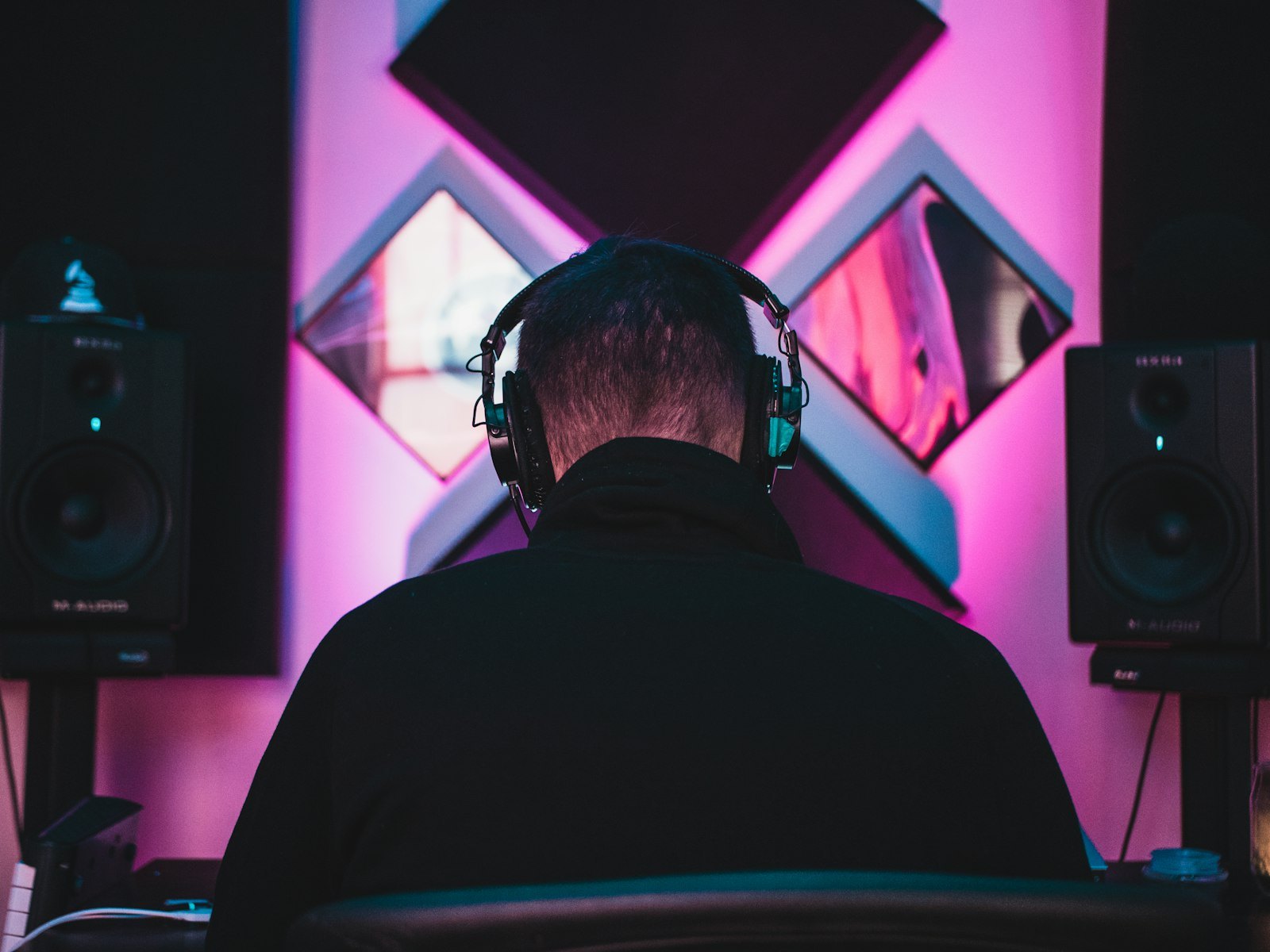
You bounce the mix, send it to a friend, and it sounds completely different on their car stereo than it did in your room. So you start wondering if the problem is your gear: maybe you need real monitors, or maybe those expensive headphones everyone hypes would finally fix it.
The short answer: Either headphones or monitors can deliver pro mixes once you learn how each one lies. The modern consensus is to use both, cross-checking constantly against commercial reference tracks. The tool matters far less than knowing its bias and how it translates.
Why this question is the wrong question
Speakers and headphones don't show you "the truth." They show you a colored version of it, and every model is colored differently. A mix that sounds perfect on a system you don't understand will fall apart everywhere else.
The engineers whose mixes translate aren't the ones with the flattest gear. They're the ones who have heard a thousand finished records on their exact setup and know what "right" looks like there. Familiarity beats specs.
That's why a $2,000 monitor in an untreated bedroom can be worse than a $150 pair of headphones. The room is part of the signal chain, and most home rooms are lying to you below 300 Hz.
What each tool is actually good at
Monitors and headphones have genuinely different strengths that map onto different parts of a mix.
- Monitors (in a treated room): honest low-end weight, natural stereo imaging, how the mix sits in a real acoustic space, and lower ear fatigue because sound reaches both ears with natural crosstalk.
- Headphones: surgical detail, edit cleanup (clicks, breaths, bad fades), reverb and delay tails, mono compatibility checks, and a consistent listening environment when your room is compromised or your neighbors are close.

Here is how I divide the work in practice. I make tonal and balance decisions on monitors, where the low end and stereo field behave predictably. Then I switch to headphones to hunt for the small stuff: the cymbal sitting too bright at 10 kHz, the de-esser clamping too hard, the reverb tail bleeding into the next phrase.
If you only have one, that is fine. The skill is the same either way: learn the bias, then compensate for it deliberately.
The myth that ruins low end
There is a belief I hear constantly from people about to drop money on headphones, and it is costing them mixes.
Expensive headphones equal accurate decisions. They do not. Most consumer and even many "studio" cans hype the bass and exaggerate stereo width. You will under-cook your low end and under-pan everything. Price buys build quality and comfort, not neutrality.
Two specific traps follow from this. First, bass-hyped headphones make your kick and 808 sound huge while you work, so you instinctively pull them down — and the mix arrives thin and weak on systems that are not lying. Second, headphones deliver each ear a fully isolated channel with zero crosstalk, which inflates the perceived width. You pan timidly and the mix collapses toward the center on speakers.
Know your transducer's bias and mix against it. If your cans are boosted roughly 4 dB around 60 Hz, stop trusting your gut on bass and start trusting your reference track and your meters.
How to make either one translate
This is the part that actually solves the car-stereo problem, and it costs nothing.
- Reference relentlessly. Pull two or three commercial tracks in your genre, loudness-match them to your mix (level differences of even 1–2 dB fool your perception immediately), and A/B every few minutes. Your reference is the ground truth your room and headphones cannot be.
- Check mono. Sum to mono and listen for things that vanish or turn phase-y. This catches polarity issues and over-wide panning that headphones hide.
- Set your low end with eyes and ears. If your monitoring is uncertain below 100 Hz, lean on a spectrum analyzer alongside your reference. Aim for your kick and bass to share space, not compete, and confirm the balance matches your reference's low-end weight.
- Test on garbage. Phone speaker, laptop, earbuds, the car. If it holds up on a phone speaker, it holds up almost anywhere.
- Mix at a sane level. Around 75–85 dB SPL on monitors keeps your Fletcher-Munson curve honest and delays ear fatigue. On headphones, keep it quieter than feels exciting.
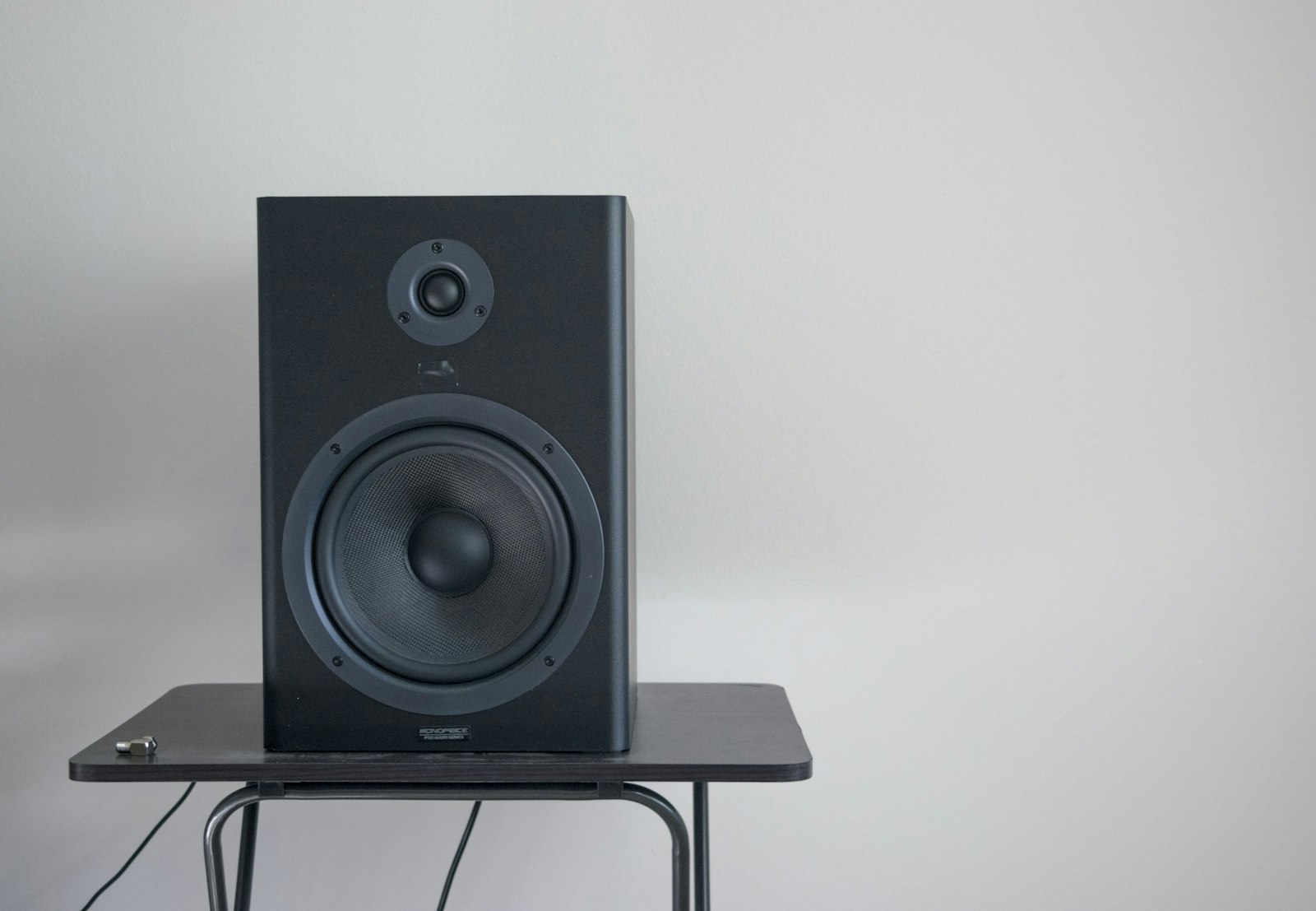
Do these five things and a mediocre setup will out-translate an expensive one used carelessly. Translation is a process, not a purchase.
The other camps
Smart engineers disagree on the emphasis, and both positions are legitimate.
Monitor-led engineers argue that speakers are how music is actually heard, so mixing on them produces more natural translation by default. They point to lower ear fatigue (natural crosstalk and room reflections are gentler than transducers pressed against your ear canals) and the honest sense of depth you only get from air moving in a physical space. Their prescription: treat the room, trust the speakers.
Headphone-led mixers counter that familiarity beats hardware, and they have a heavyweight in their corner. Andrew Scheps has mixed major-label records almost entirely on headphones. Their argument: a corrected, well-known pair of cans is more consistent than a compromised room, and it is portable. Their toolkit leans on software:
- Sonarworks SoundID Reference to flatten a measured headphone or monitor response to a known target curve.
- Waves NX or similar crossfeed plugins to simulate speaker crosstalk and room reflections, collapsing the unnaturally wide headphone image into something more speaker-like.
Both camps land in the same place in practice: a known, corrected listening environment plus constant referencing. The hardware is just the starting point.
What to actually buy and do
If you are starting from nothing and mixing in a typical untreated bedroom, put your money on headphones first. A flat, well-regarded pair plus a correction profile gives you a consistent, portable reference for a fraction of what a usable monitor-plus-treatment setup costs. Add a crossfeed plugin so you do not over-narrow your mixes.
When you can treat a room — even just bass traps in the corners and absorption at the first reflection points on the side walls — add monitors and let them take over the big low-end and imaging decisions. That is when the two-tool workflow really pays off.
Whichever you use, run a correction profile if headphones are your primary tool. The single biggest free upgrade most home mixers can make is not new gear. It is flattening what they already own and listening more critically to their reference than to their own track.
The car stereo does not care what you spent. It only cares whether you learned to hear past your own monitoring. Pick a setup, learn exactly how it lies, check everything against records you trust, and your mixes will translate — no matter what is on your desk.