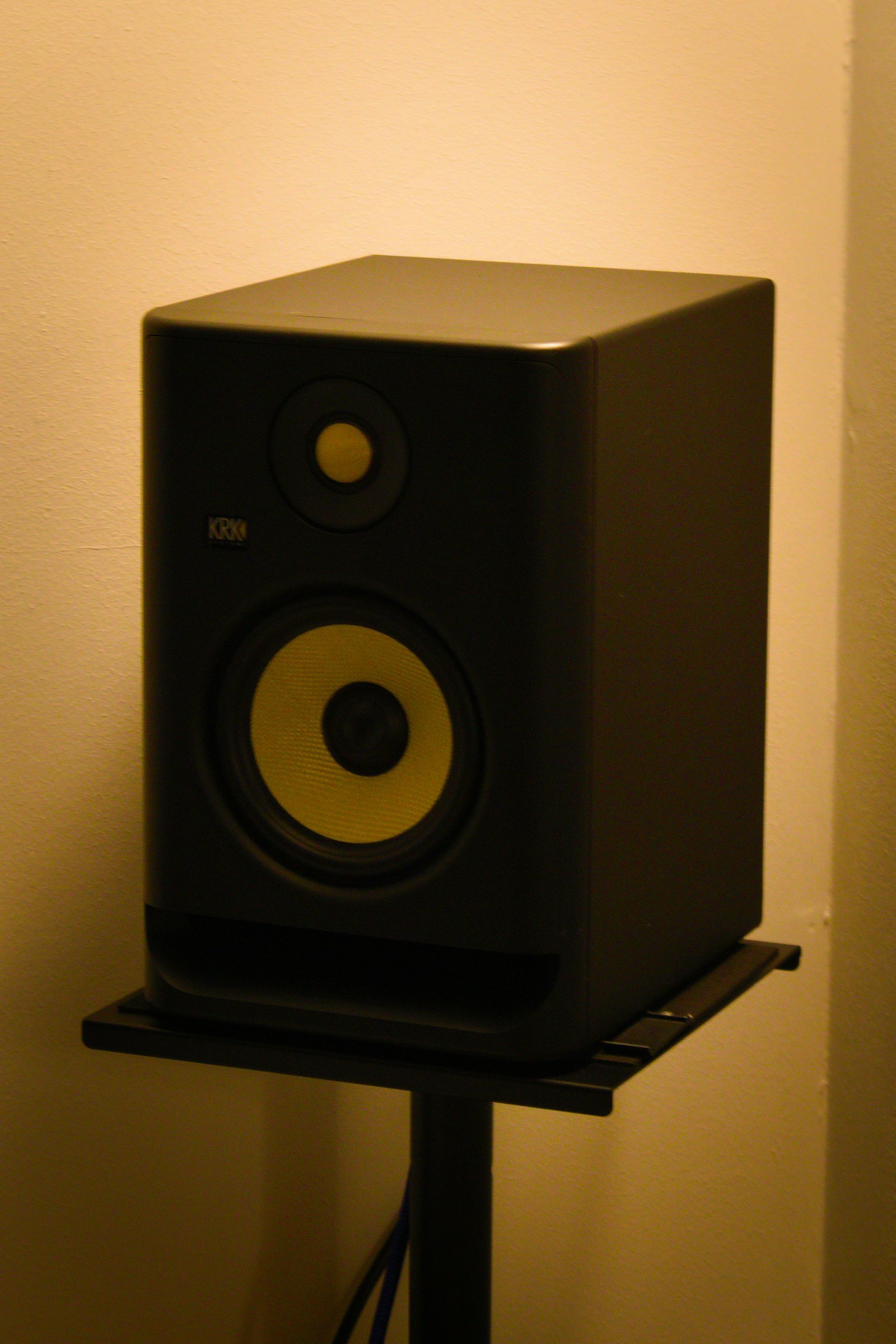
You finish a mix at 1 a.m., it sounds enormous on headphones, and then someone plays it off their phone at a barbecue and the vocal is buried, the kick is gone, and the reverb you spent an hour on has turned to mud. The fix isn't a better plugin. It's a button you already have.
The short answer: Collapse your mix to mono regularly while you work. It exposes phase cancellation, reveals elements that secretly depend on stereo width to be heard, and forces you to balance levels honestly. If a mix sounds clear and full in mono, it will only sound bigger in stereo, never worse.
Why mono is the honest test
Mono sums your left and right channels into one signal. When two channels carry the same frequency but their waveforms are slightly offset in time or phase, they partially cancel — that part of the mix gets quieter or disappears. Stereo masks this because each ear gets its own channel and your brain fills in the gaps. Mono has nowhere to hide.
That sounds like a liability, but it's the most useful diagnostic you have. A huge portion of real-world playback is mono or near-mono: a single phone speaker, a Bluetooth puck on a kitchen counter, a laptop, retail PA systems, FM radio. Club subwoofers sum low frequencies to a single driver — most crossover points land around 80–100 Hz, meaning everything below that is already mono whether you planned for it or not. If your mix only works in perfect stereo on good monitors, it doesn't work.

There's a second benefit engineers value just as much: mono forces you to balance with your ears instead of the stereo field. When you can't pan elements apart to manufacture separation, you carve space with level and EQ. A mix that's balanced in mono is balanced, period.
How to actually do it
You don't need anything fancy. Most DAWs have a mono-sum button built in, and any utility or metering plugin can collapse the signal. Put it on your master bus at the very end of the chain and toggle it while you work.
- Add a mono switch on your master. A utility plugin set to "mono" or a metering plugin with a mono button does the job. Bypass it by default; engage it to check.
- Build your core balance in mono first. Get kick, bass, lead vocal, and main instrument sitting right as a summed signal before you touch panning or stereo width.
- Toggle mono every time you make a width or reverb decision. Widen a synth, then sum to mono. Did it shrink or disappear? You found a problem before it shipped.
- Check loudness while you're there. A target of around -14 LUFS integrated (true-peak ceiling at -1 dBTP) is standard for streaming. Make sure the balance holds when summed, not just the level.
- Do a final dedicated mono pass. Before you bounce, listen through the whole track in mono on a single speaker. A phone speaker works fine. You want the worst-case scenario in your studio, not at someone else's barbecue.
The reverb test is the one that catches engineers off guard. Stereo reverbs and wide doublers often have left and right channels that are partially out of phase by design — when you sum them, the reverb tail can drop 3 dB or dissolve into smear. Press mono and you'll immediately hear which "lush" effects are stereo smoke and which ones are genuine depth.
The myth that ships bad mixes
Here's the belief that quietly ruins records: if it sounds wide and great in stereo, mono will take care of itself.
A wide, impressive stereo mix is exactly the kind that collapses worst in mono. Heavily widened parts and stereo reverbs are often near-out-of-phase by design, so summing can drop them ~3 dB or cancel them completely. The thing that sounds huge in stereo can be the thing that disappears on a phone. Width is not the same as size, and it is never a guarantee of mono compatibility.
The takeaway isn't "avoid width." Width is great. It's that width has to be checked, not assumed. Stereo wideners, mid/side processing, and short stereo delays all need a mono pass before you trust them.

Where engineers disagree
Everyone serious checks mono. How and when is where the camps split, and all three approaches are legitimate.
- The mono-first builders. They mix the entire foundation in mono and add stereo width only at the very end. The logic: if it's not solid summed, no amount of width will save it. This produces punchy, translatable mixes but takes discipline and can feel slow if you're used to building atmosphere early.
- The periodic-togglers. They mix in stereo as normal but flip to mono constantly — every few decisions — as a reality check. This is the most common working approach and the easiest to adopt starting today.
- The final-pass camp. They mix entirely in stereo and reserve mono for a dedicated compatibility check near the end. Faster workflow, but you risk discovering a phase problem so baked into your arrangement that fixing it means re-mixing key elements.
My honest take: the periodic-togglers have the best effort-to-payoff ratio. Mono-first is the "correct" answer and produces the most robust mixes, but for most people the realistic win is a mono button you actually press, not a workflow you abandon by track three. The one position that's indefensible is skipping the check entirely.
What mono is telling you when things go wrong
When you flip to mono and something sounds off, the symptom points directly to the cause:
- A part gets quieter or hollow. Phase cancellation — usually from a stereo widener, a wide reverb, or a timing issue between mics on a multi-mic recording.
- The low end loses weight. Your bass and kick may be fighting each other spectrally, or a stereo bass is partially canceling. Keep everything below ~100 Hz mono and centered.
- The vocal suddenly sits back. It was only cutting through because of panning and stereo spread. Fix it with level and EQ carving — a small dip in competing instruments around 1–3 kHz gives the vocal room to stand on its own.
- A doubled guitar or synth pad thins out. Your doubler or chorus is near-inverted when summed. Reduce the width, or use actual separate takes instead of a fake-stereo effect.
None of these show up in stereo. That's the whole point. Mono is the X-ray.
The mindset shift
Mono checking isn't a compliance box you tick at the end — it's a faster way to make good decisions, because it removes the variable that's been lying to you. Stereo width flatters everything; it makes a mediocre balance sound spacious on your monitors and then betrays you everywhere else.
Treat the mono button like a mute on your own bias. Press it early, press it often, and trust what it shows you over what your wide, gorgeous stereo image is selling. The mixes that hold up on every speaker aren't the ones that sound widest in your studio. They're the ones that still stand when everything collapses to a single point.