Put on Stadium Arcadium, or Adele's 21, or the seismic low end of Death Magnetic, and you feel the same thing under your ribs: weight that never turns to mud, aggression that never turns to noise. The guitars snarl, the vocal rides on top like it owns the deed, and the whole mix moves — swelling and ducking around the singer like it's breathing. Then you find out the guy behind a chunk of those records mixes on hundred-dollar headphones, on a laptop, on a plane.
The short version: Andrew Scheps' mixes feel like aggression under control because he builds movement into the mix with a colored, unlinked parallel bus — and he proves that movement lives in the method, not the room or the rack.
The feel: power that still breathes
Scheps' records hit hard, but the trick is that they don't sound squashed. The midrange stays open, the vocal always sits forward with intent, and grit shows up exactly where he wants attitude and nowhere else. Nothing sounds static. Elements push forward and slide out of each other's way, so a chorus lands like a chorus instead of just getting louder.
That sense of breathing is the fingerprint. It's what makes a dense rock mix feel alive instead of like a wall. And the good news for anyone reading this in a bedroom is that it comes from a signal-flow decision you can copy tonight — not from a console you'll never afford.
How he actually works: the rear bus
The centerpiece of Scheps' sound is what he calls the rear bus. The name is a piece of history: it comes from a Neve 8068 console built for quadraphonic sound, which had a second "rear" stereo bus. He repurposed that as a colored global parallel-compression bus, and when he moved fully into the box, he carried the concept with him.
Here's the mechanic:
- He sends every channel except the drums to a duplicate stereo bus — post-fader, following the pan, so the parallel version mirrors what's already happening in the mix.
- That bus gets compressed hard and blended back in underneath the dry mix. You're not replacing the mix; you're thickening it from below.
- The compressor is typically a multi-mono, unlinked 1176-style unit — low ratio, slow attack, fast release.
That word unlinked is the whole game. Because the left and right — and each source feeding the bus — aren't linked, the loudest element in the moment (usually the lead vocal) triggers the most gain reduction. When the vocal sings, it pushes the parallel guitars down. When the vocal rests, the guitars swell back up.

That's the movement. It's automation nobody had to draw — the mix rides itself, the singer carving out its own pocket while the band rushes back in to fill the gaps. He layers parallel distortion on top of the same philosophy: grit only on the things he wants gritty, so attitude becomes a targeting tool instead of a haze smeared over everything.
In the box, on cheap headphones
Here's the part that annoys the gear-obsessed: Scheps spent years as an analog die-hard — a Neve, a wall of 1073s — and then sold most of it and went in the box. His stated reasons are practical, not romantic. He wanted to avoid repeated D/A conversion, and he likes that floating-point summing lets him fix something upstream without wrecking a compressor downstream. Change a level early in the chain and nothing later blows up.
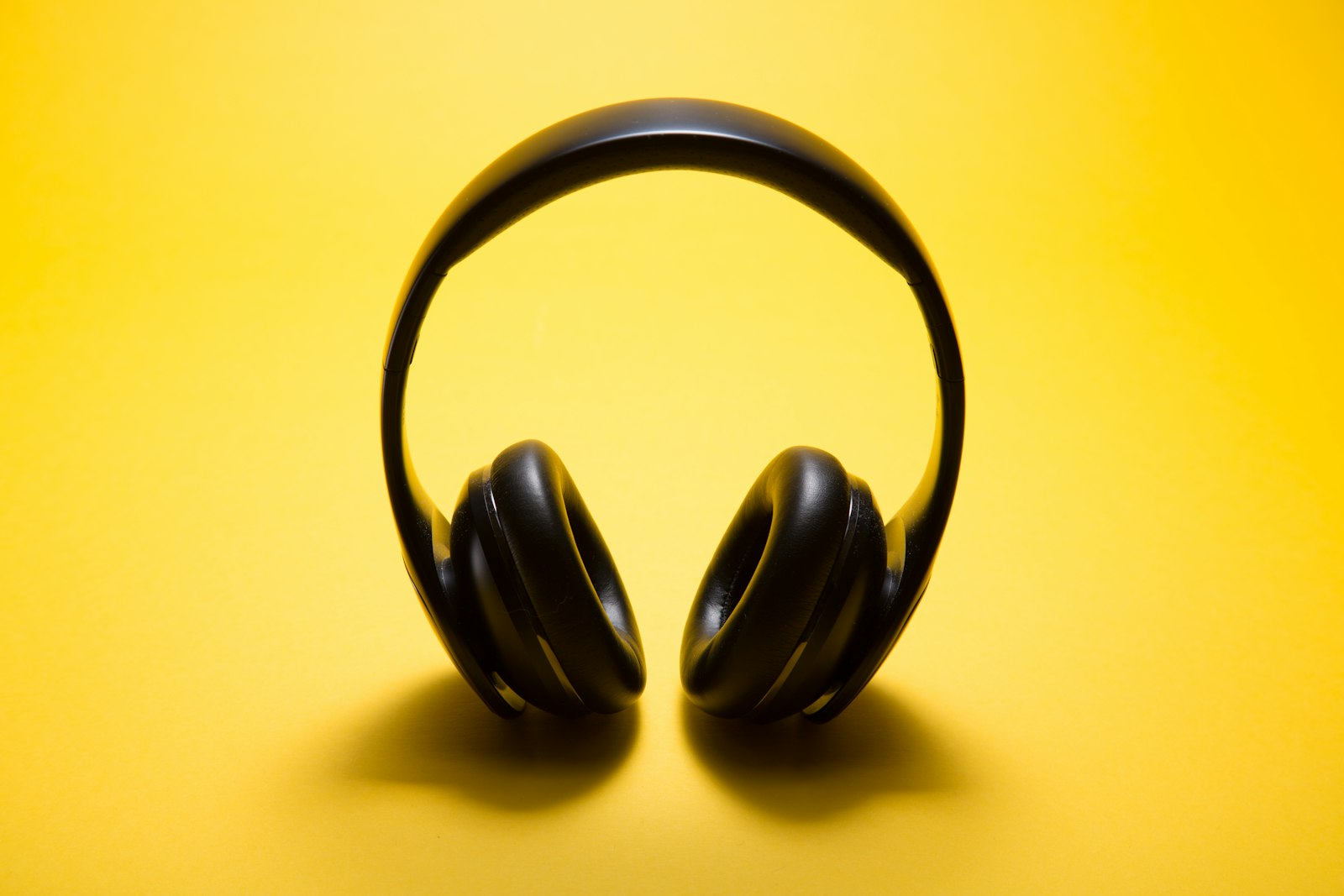
He also mixes largely on Sony MDR-7506 headphones — inexpensive, and the same model for years. The point isn't that the 7506 is a magic transducer. It's that it's a constant. It travels, it has no room fighting it, and after years of use he knows exactly what a finished record sounds like through it. Worth noting: he doesn't tell everyone to mix on headphones only. The lesson isn't "headphones good, speakers bad." It's "one reference, known cold."
What you can steal
You don't need his résumé to use his moves. Pull these into your next session:
- Build a parallel bus for glue. Duplicate everything but the drums into one stereo bus, compress it, and blend it in under the dry mix. This is how you get loud without crushing the main mix.
- Unlink it to get movement. Don't stereo-link the parallel compressor. Let the loudest element — usually the vocal — duck the rest, then let them swell back when it rests. Free, musical, mix-wide "automation."
- Use distortion as a scalpel. Parallel-distort only the sources you want grit on. Attitude is a target, not a wash.
- Boost, don't only cut. Scheps has talked about boosting to make things pop forward, not just subtracting to get out of the way.
- Pick one reference and marry it. Learn a single playback system for years. Consistency you understand beats "better" gear you don't.
- Judge by feeling, not meters. In interviews, Scheps has talked about wanting a mix to feel like something — and getting bummed out when the chorus doesn't feel like the chorus. Ask that question of your own mix before you touch another plugin.
The myth worth burning down
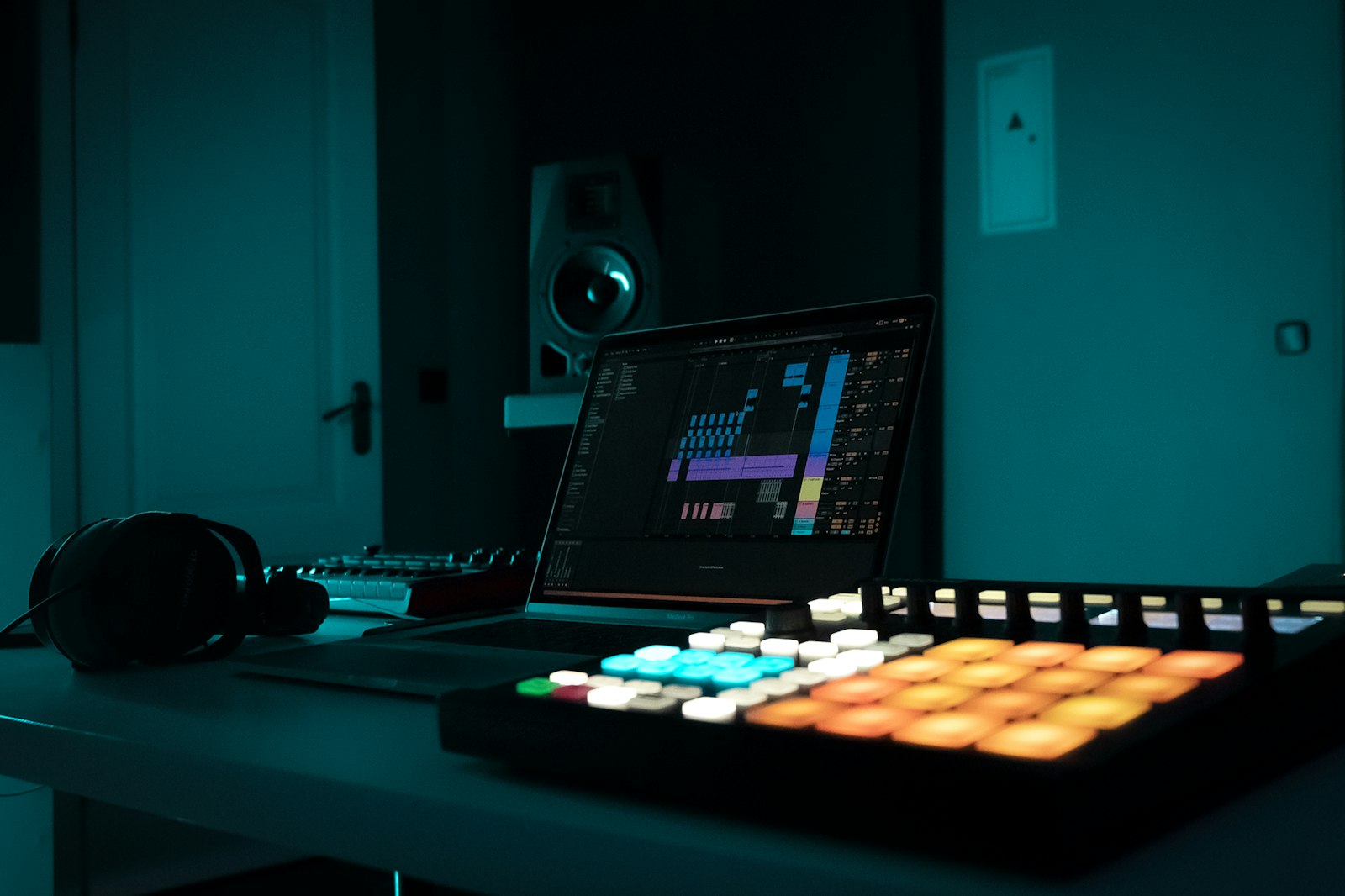
There's a belief that professional records require a big analog console and a treated room, and that until you have them you're playing in the minor leagues. Scheps is the cleanest counterexample around — the former analog evangelist who sold most of his outboard, moved fully into the box, and has mixed hit records on cheap headphones while traveling.
The console and the treated room are conveniences, not requirements. What's non-negotiable is deep familiarity with your tools and one trusted reference — that's the actual barrier to entry, and it's free.
One caution so you don't misread the lesson: the rear bus is not a magic preset. Copy the settings without understanding the unlinked ducking and you'll get density but not the movement — a fatter, static wall, which is not the point. The behavior is the feature; the numbers are downstream of it.
The closing thought
Scheps' career is basically a controlled experiment. He ran the analog version — top-tier console, top-tier preamps, a great room — and then pulled most of it out and kept making records that feel the same. What survived the teardown was the method and the ears. As the saying often attributed to him goes: it's the ear, not the gear.
So the honest bar for a mix isn't whether you own the right box. It's whether, when you listen back, you can't think of anything else you want to change — and whether the chorus finally feels like the chorus. Everything Scheps does, from the rear bus to the well-worn headphones, is in service of that one feeling. Chase the feeling, and the gear question mostly answers itself.