
Services
How Much Does It Cost to Mix and Master a Song?
What mixing and mastering costs in 2026 — the real factors that drive price (track count, stem quality, revisions, genre, deadline), the budget/mid/pro market tiers, and how t
Notes from the studio
Guides on production, mixing, and the business of being an independent artist — releasing, streaming, royalties, marketing, and the craft of making records. What I've learned in the room, written to be actually useful.
What mixing and mastering costs in 2026 — the real factors that drive price (track count, stem quality, revisions, genre, deadline), the budget/mid/pro market tiers, and how t

How online mixing and mastering services actually work in 2026: the remote workflow step by step, how to spot a real engineer versus a template service, and the questions to a
Is professional mixing worth it? An honest cost/benefit breakdown from a Toronto mix engineer: when paying for a mix pays off, when it doesn't yet, and what a pro changes that

How to hire a mix engineer: vet discography relevance, revisions, recall and deliverables — plus the red flags that signal a bad hire. R&B, hip-hop and afrobeats focus.

What professional rap vocal mixing actually involves — tuning, timing, stacks, ad-lib placement, de-essing, saturation and 808 interaction — plus exactly what files to send yo
R&B vocal mixing explained by a Toronto mix engineer: harmony stacks, breath and sibilance control, ducked reverb and delay, and dynamics that keep intimacy.

Afrobeats mixing lives or dies on groove and low end. A Toronto mix engineer breaks down log drum and bass control, percussion clarity, vocal placement, and phone translation.

A practical 2026 walkthrough for releasing a song independently: prep, distribution, metadata, timeline, and promotion that actually moves the needle.

An honest 2026 comparison of AI mastering vs a human engineer — where LANDR and algorithmic tools genuinely work, where they fail, and how to choose for your R&B, rap, or afro
A practical 2026 comparison of DistroKid, TuneCore, Amuse, and UnitedMasters to help independent artists pick the right music distributor for their release.

Do I need mixing or mastering? Diagnose it from what you're hearing, learn what happens if you buy the wrong service, and what actually drives cost in 2026.
How to decide whether to release a single, EP, or album first in 2026 — a producer's practical guide for independent artists and small labels.
A practical 2026 release-planning timeline for independent artists: how many weeks ahead to start, what to do each week, and when to book studio help.

How recording, mixing and production sessions actually work with a Toronto engineer — in-person session flow, what to bring, and how remote clients collaborate from anywhere.

Should you mix your own music or hire a mix engineer? An honest 2026 framework: skill curve, room and monitoring limits, objectivity, time cost, and career stage.
A practical 2026 playbook for independent artists: how to plan a release rollout with a real timeline, DSP pitching, content, and a launch-week push that actually earns attent

A practical 2026 guide to pre-save campaigns for independent artists: what they are, how to set one up step by step, and how to promote them.

Seven concrete symptoms that tell you your song needs a professional mix — buried vocals, no translation, harsh highs, muddy low end — what each one actually means, and how to
A practical 2026 guide to release metadata, ISRCs, and credits for independent artists and labels — how to set up a release right so it gets found and paid.

How Spotify's algorithm actually works for independent artists in 2026, and the concrete steps to earn more streams, saves, and playlist placements.

A practical 2026 playbook for pitching songs to Spotify editorial playlists: timing, the pitch form, momentum signals, and what actually moves editors.
A working playbook for getting your music onto Spotify and Apple Music playlists in 2026 without buying placement or falling for pay-to-play scams.

A practical 2026 guide to Spotify for Artists — the features that actually move streams, pitching, profile control, and reading your data.

A grounded 2026 breakdown of how many streams it really takes to earn money, why per-stream math is a trap, and how to actually build income.

A practical 2026 guide to influencing Spotify Release Radar and Discover Weekly through pre-saves, follower growth, and real engagement signals like saves and completion.
A producer's honest guide to playlist placement services in 2026: what actually works, the red flags of bot-driven scams, and how to grow streams the real way.
A clear 2026 guide to the six ways your songs earn money — streaming, mechanicals, performance, sync, neighbouring rights and sales — and how to actually collect them.
A plain-English guide for indie artists and songwriters on what a PRO is, how ASCAP, BMI, and SOCAN pay performance royalties, and how to sign up.
A plain-English guide to music publishing for independent artists: what royalties exist, how to collect every one, and the setup steps to stop leaving money behind.

A producer's practical 2026 guide to splitting songwriting credits fairly, avoiding royalty disputes, and getting a split sheet signed before anyone leaves the room.

A practical 2026 guide for independent artists on how music copyright works, how to protect your songs, register rights, and collect the royalties you're owed.
A plain-English 2026 guide to mechanical, sync, and performance royalties for independent artists: who pays each one, when it lands, and how to collect every dollar.

A practical 2026 playbook for growing a music TikTok from zero: niche, hooks, posting cadence, sounds, and turning views into real fans.
A producer's system for turning a single song release into 30 pieces of content across Reels, TikTok, YouTube and email without burning out.

A producer's practical 2026 guide to the TikTok and Reels video formats that actually push songs into virality, with checklists and steps.

A grounded 2026 guide for independent artists on whether paid ads on Meta and TikTok are worth it, with a step-by-step starter plan.

A practical 2026 guide for independent artists: how to define, find, and reach the right audience so your music grows with less wasted effort.

A sustainable posting system for independent artists: batch content, repurpose, and build a rhythm you can hold for months without burning out.

How to use snippets and teasers to build real anticipation before a music release — a practical 2026 playbook for independent artists.

Why an email list beats social media for independent musicians, plus a step-by-step guide to starting one in 2026 with no budget.

A producer's practical guide to turning casual listeners into superfans in 2026: the fan journey, the content and email systems, and the small moves that build loyalty.

A practical 2026 guide for independent artists on building a real, engaged music community that actually shows up, listens, and buys.

A practical 2026 guide to direct-to-fan selling for independent artists: merch, music, and experiences that build a real fanbase and reliable income.

A practical 2026 guide for independent artists on turning free Spotify for Artists and Meta audience data into real decisions about who your fans are and how to reach more of

A practical 2026 guide to growing your fanbase as an independent artist by collaborating with other artists—finding partners, splitting fairly, and turning features into real
A plain-English 2026 breakdown of what it really costs to release a song professionally — production, mixing, mastering, distribution, and promo.
A producer's honest, current guide to where independent artists and small labels should put their limited budget for the biggest return.

A practical 2026 guide for independent artists on running their music career like a real business: revenue, systems, budgets, and brand.
A plain-English guide for independent artists on whether you need an LLC, when it actually helps, and the low-cost steps to protect your music business in 2026.
A practical 2026 pricing guide for independent artists: how to price beats, verse features, and studio work without leaving money on the table.
A working producer's guide to reinvesting in your music career in 2026 — where money and time actually move the needle, and where they quietly don't.

A 2026 reality check on record labels for independent artists: what a label actually still offers, when to sign, and how to build leverage without one.

A clear, practical guide to what a music manager actually does day to day, and how independent artists know when it's the right time to bring one on.
A clear 2026 breakdown of 360, distribution, and licensing deals for independent artists — what each takes, what to watch for, and how to protect your rights.

A practical 2026 guide to sync licensing for independent artists: how to prep your music, register rights, pitch supervisors, and land placements.

A practical guide to building your team as an independent artist: which roles actually matter, when to hire, and how to start with almost no budget.

A producer's plain-English guide to the contract clauses that quietly cost independent artists money, rights, and creative control — and how to spot them before you sign.
A practical 2026 guide for independent artists on when professional mixing and mastering is worth the investment, plus a self-check to know you're ready.

A working producer's honest breakdown of home studio vs professional studio in 2026 — what actually moves your sound forward and where to spend.
A producer's practical guide to working with a mix engineer: how to prep stems, give useful feedback, handle revisions, and get a professional-sounding record.

A producer's checklist for prepping your session before you send it to be mixed: file formats, stems, reference tracks, tempo, and notes.

Why every release needs mastering, not just a mix—what mastering actually does, how it protects your streaming loudness, and a pre-master checklist.
Ghenea's records feel effortless because the effort is invisible — it lives in balances, dynamics control, and section-by-section automation, not in a…

Andrew Scheps' mixes feel like aggression under control because he builds movement into the mix with a colored, unlinked parallel bus — and he proves that…
Marroquin mixes for emotion first and treats every technical choice — vocal loudness, effects, EQ, even the low end — as a storytelling decision rather…
A simple checklist for exporting clean vocal stems — sample rate, levels, naming and what to keep dry — so your mix comes back faster and sounds better.
It's a monitoring problem, not a mixing problem. Your room and speakers are coloring what you hear, so you 'fix' things that were never broken, and that…
Mud almost never lives in the bass. It's a pile-up in the low-mids around 200–500 Hz, where too many instruments stack energy at once. Fix it by thinning…
Decide which instrument owns which frequency band, carve the other one where the winner dominates, and let the bass briefly duck when the kick hits. Give…
You don't need an expensive studio for radio-ready vocals. Here's the gear that matters, the room tricks that cost nothing, and the recording habits that separate amateur take
A vocal that won't sit is almost always a level-and-space problem, not a plugin problem. Get a smooth fader balance first, automate the vocal so every…
Aim for roughly -14 LUFS integrated with a true-peak ceiling of -1 dBTP, and stop worrying about being 'loud enough.' Streaming platforms normalize…
Gain staging means keeping a healthy, consistent level at every step of your signal chain so each plugin gets the level it was designed for and your mix…
Either headphones or monitors can deliver pro mixes once you learn how each one lies. The modern consensus is to use both, cross-checking constantly…

Treat the room first, almost every time. A modest pair of monitors in an acoustically treated room will give you more honest, more translatable mixes than…
The five habits I hear most often in self-mixed records — too much low end, soloing instead of balancing, over-compression, no reference track, and chasing loudness — and how
No. A skilled engineer working entirely with the stock plugins in their DAW will out-mix a beginner with a $10,000 plugin folder every single time. Spend…
Almost every time, the mix went into mastering with too little headroom or was already crushed by a master-bus limiter. Mastering didn't add loudness — it…
there is no universal preset. Set your threshold by watching the gain-reduction meter, not by copying a value. Start vocals around a 3:1 ratio, 10 ms…
use both. Lead with subtractive cuts to fix problems, then add wide boosts for character. The durable rule of thumb is cut narrow, boost wide — cuts buy…
No, don't high-pass every track. Filter only the tracks that aren't contributing useful low end, set each cutoff by ear inside the full mix, and leave…
Run reverb and delay on send/return buses instead of inserts, EQ the return aggressively (high-pass around 200 Hz, roll off above 8 kHz), add 20–50 ms of…
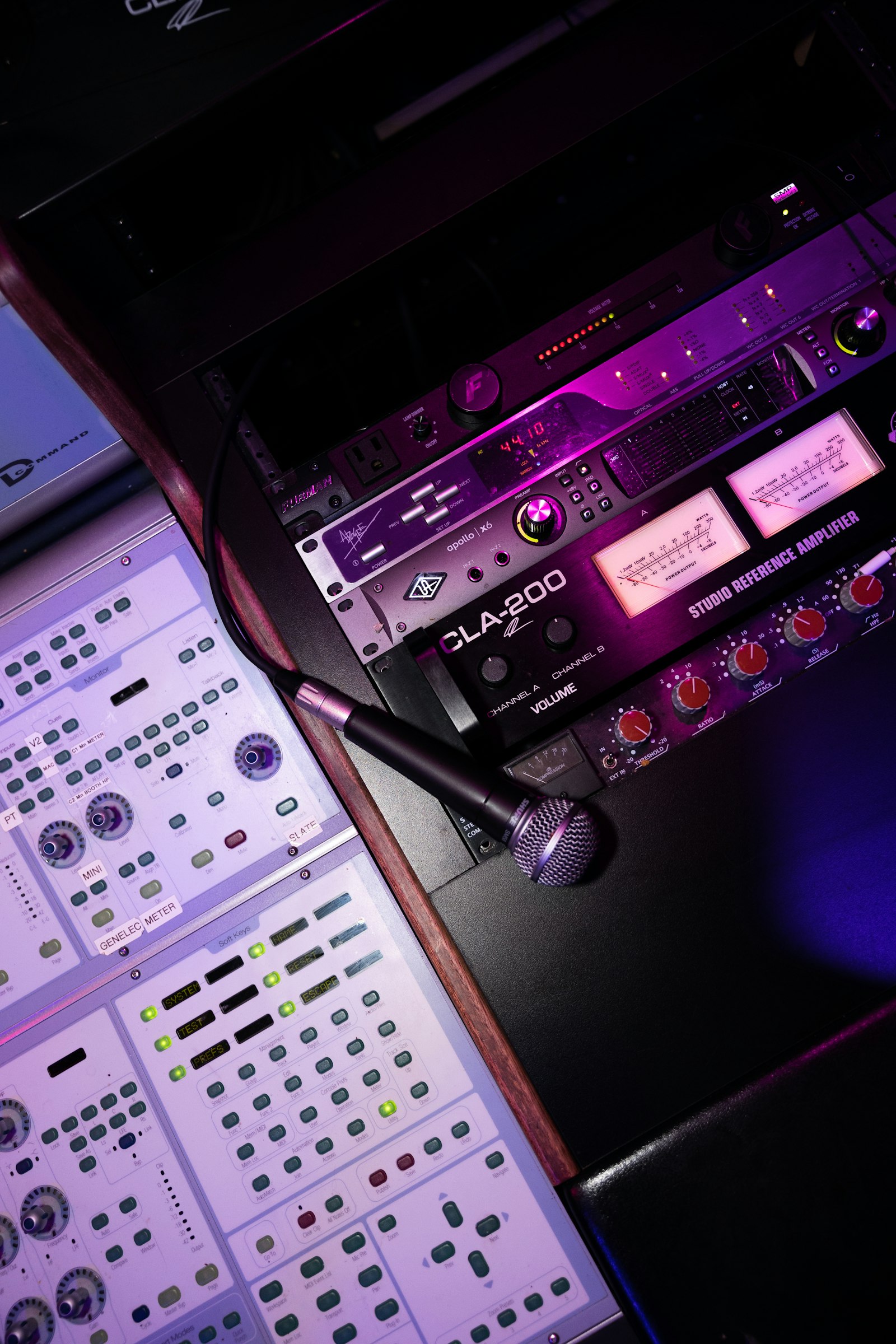
A walkthrough of how a record actually comes together in the mix — gain staging, carving space, building the vocal, and the final polish. Watch the process, then read the brea
Collapse your mix to mono regularly while you work. It exposes phase cancellation, reveals elements that secretly depend on stereo width to be heard, and…
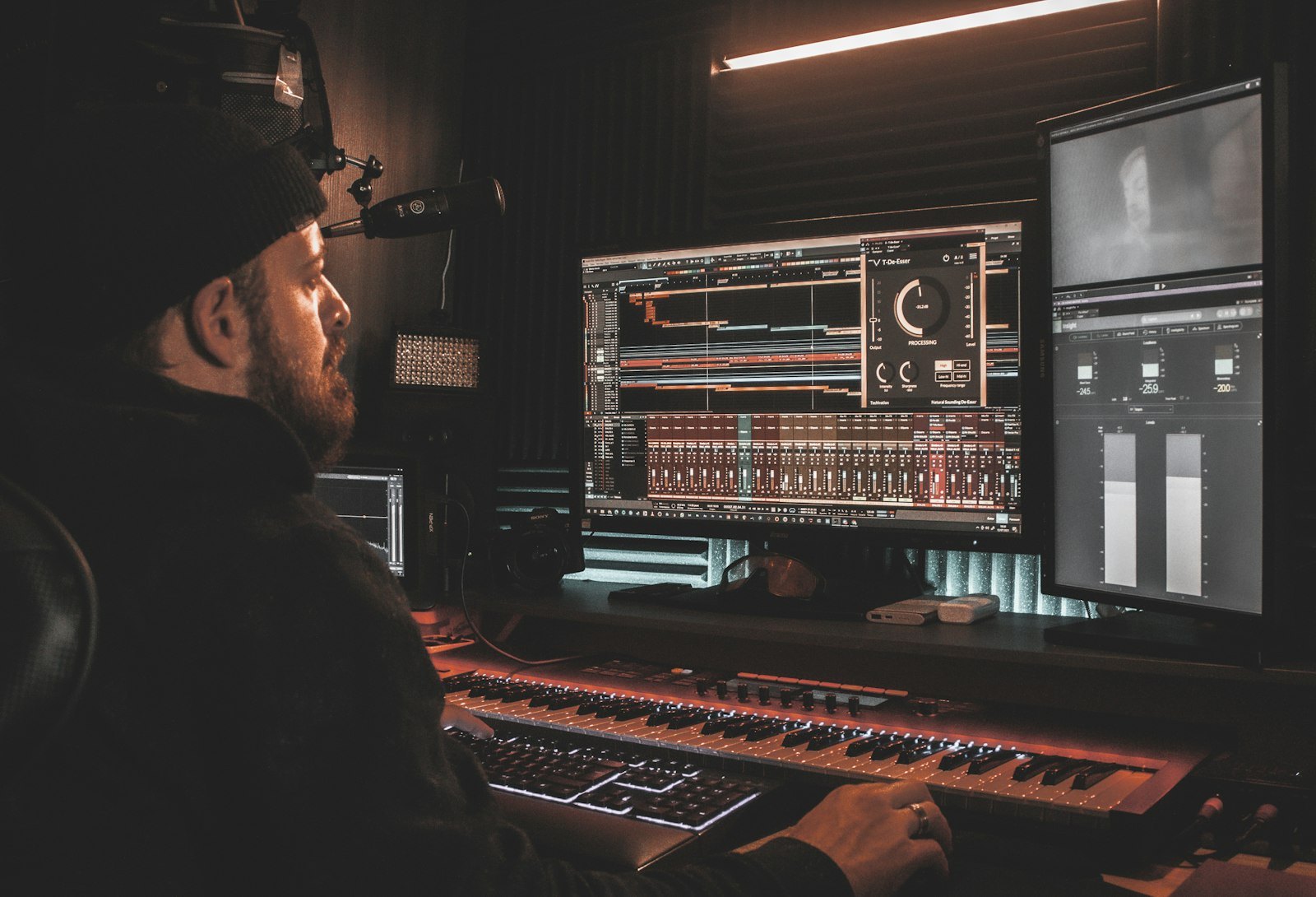
Drop a commercially released song from your genre into the session, level-match it to your mix (pull the loud master down about 9 dB to start), and A/B in…
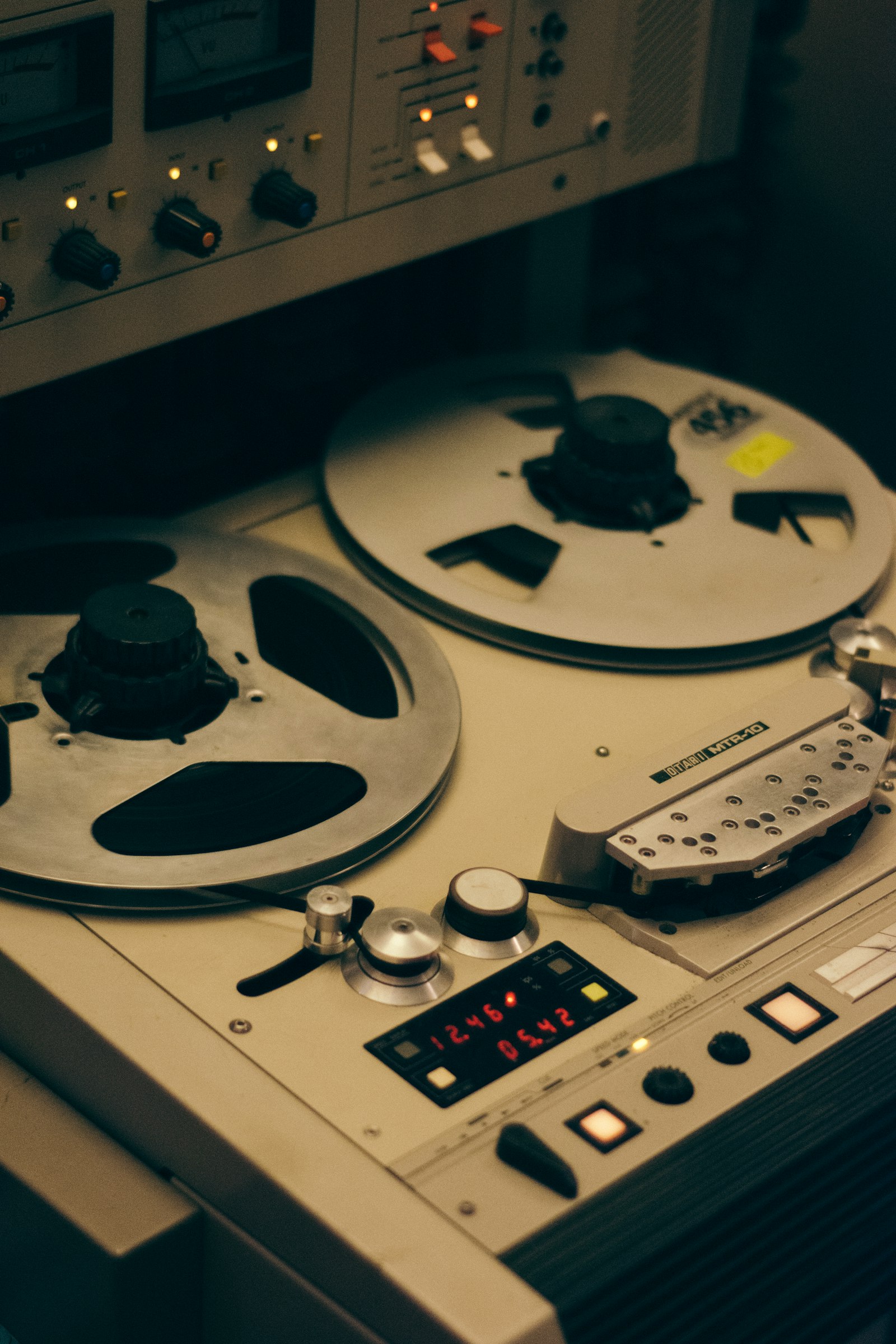
Saturation is gentle, musical distortion that adds harmonics and softly rounds peaks, making a sound feel present, warm, and louder without touching the…
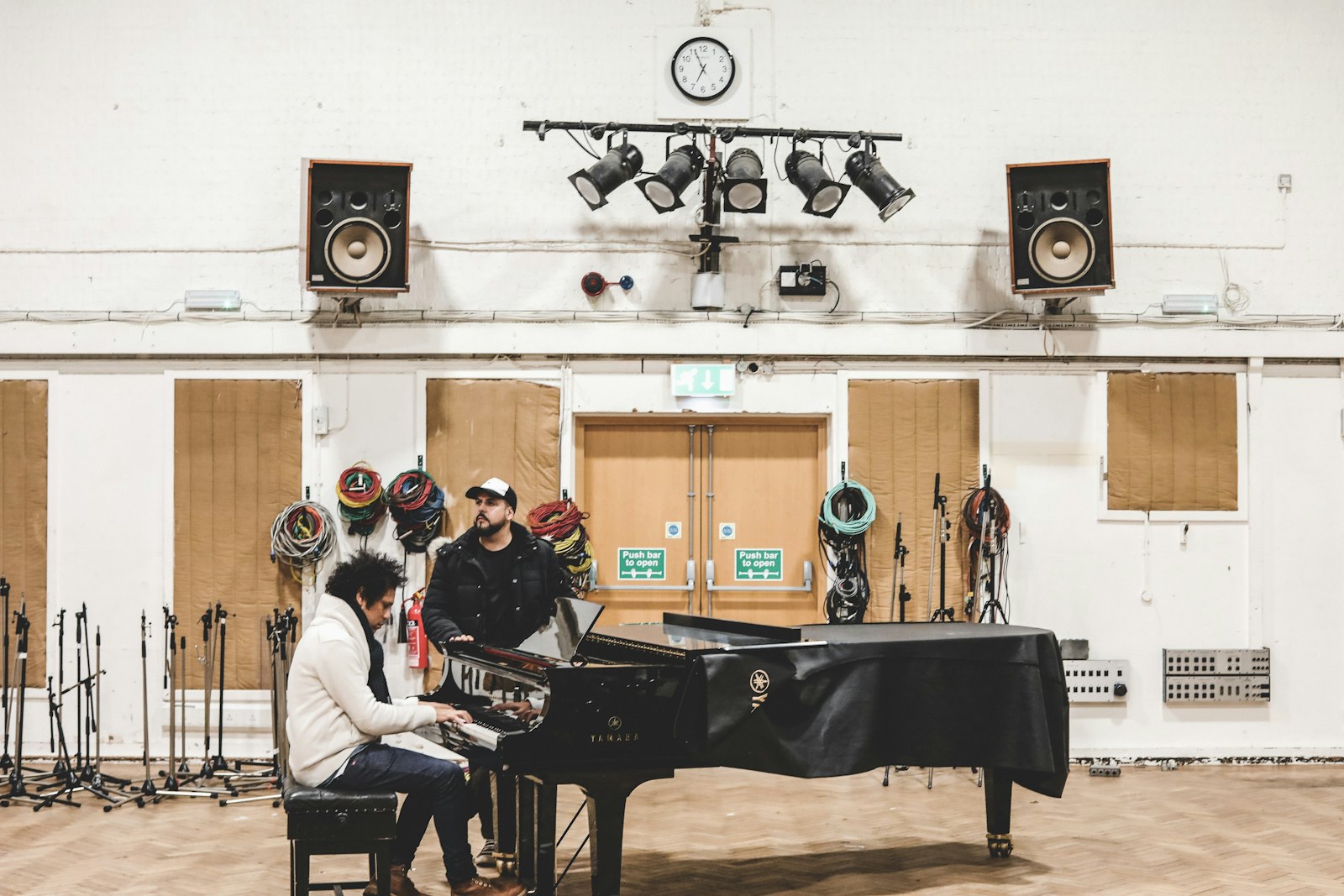
It usually isn't the mix. The biggest amateur tells are timing, tuning, and recording quality, followed by a sloppy static balance. Get a smooth fader mix…
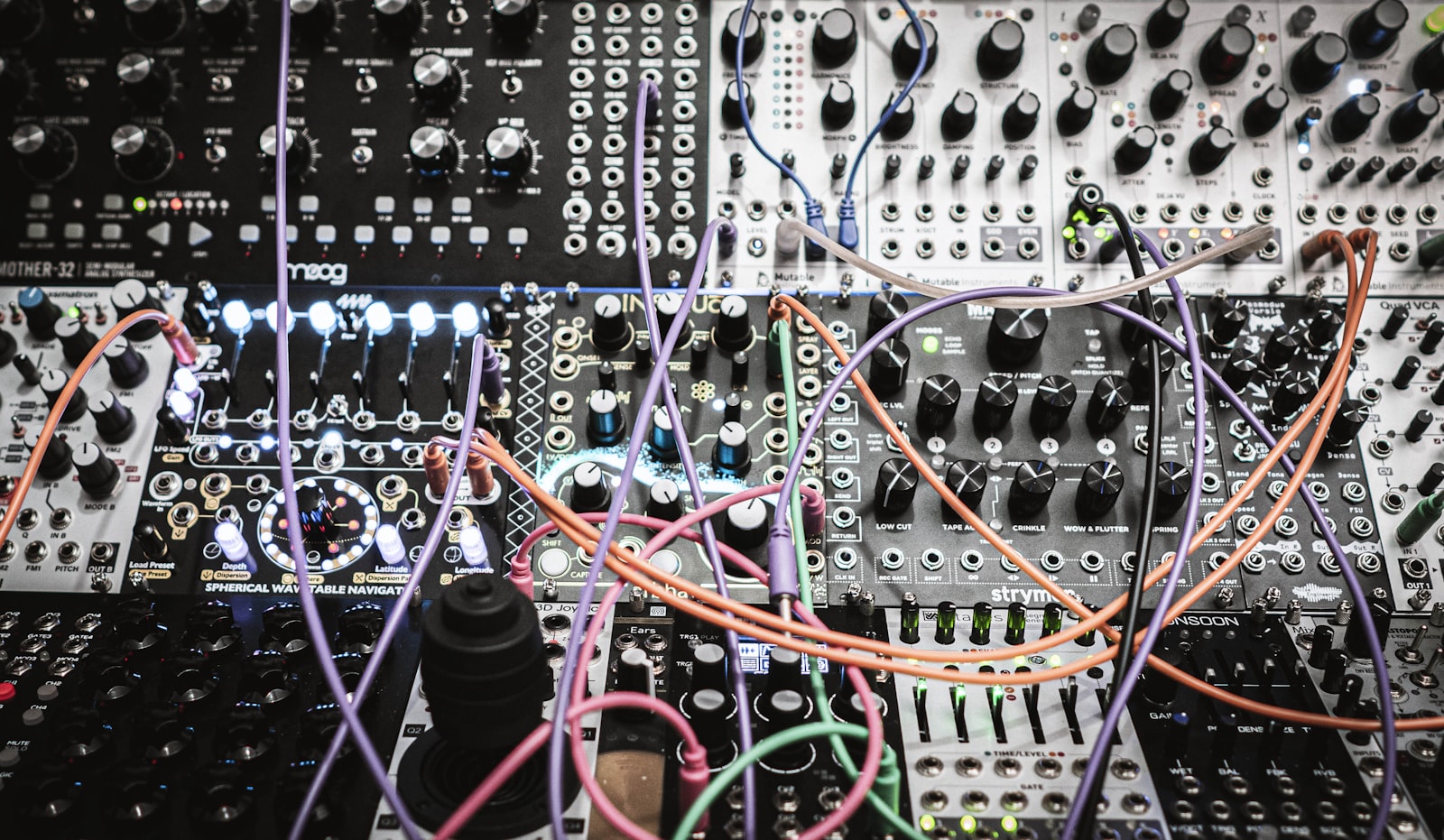
Sidechain compression puts a compressor on your bass that's triggered by the kick, so each kick hit briefly turns the bass down and the two stop fighting…
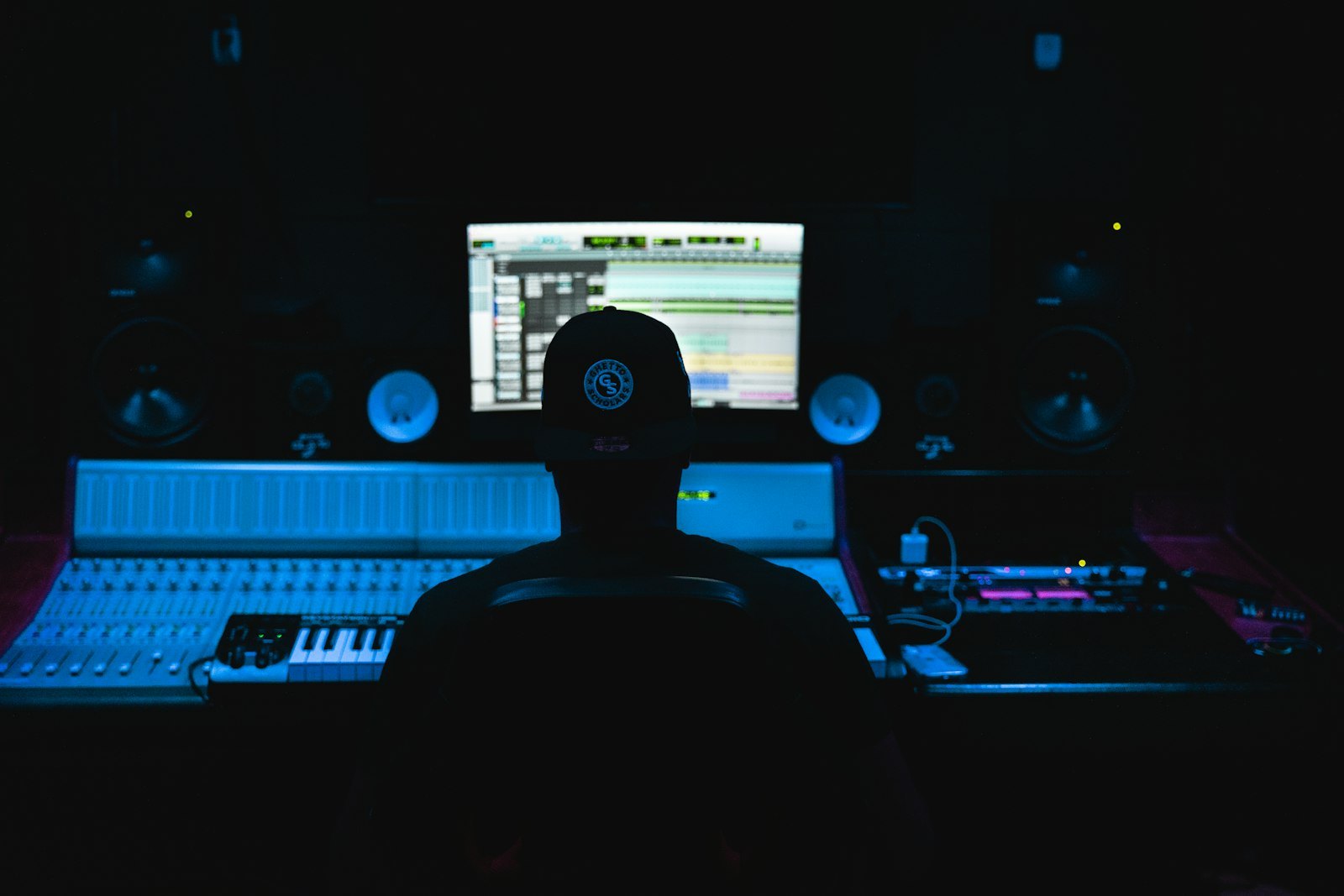
A mix is done when every element is audible, the vocal sits right, it holds up against a level-matched reference, it translates across your playback…
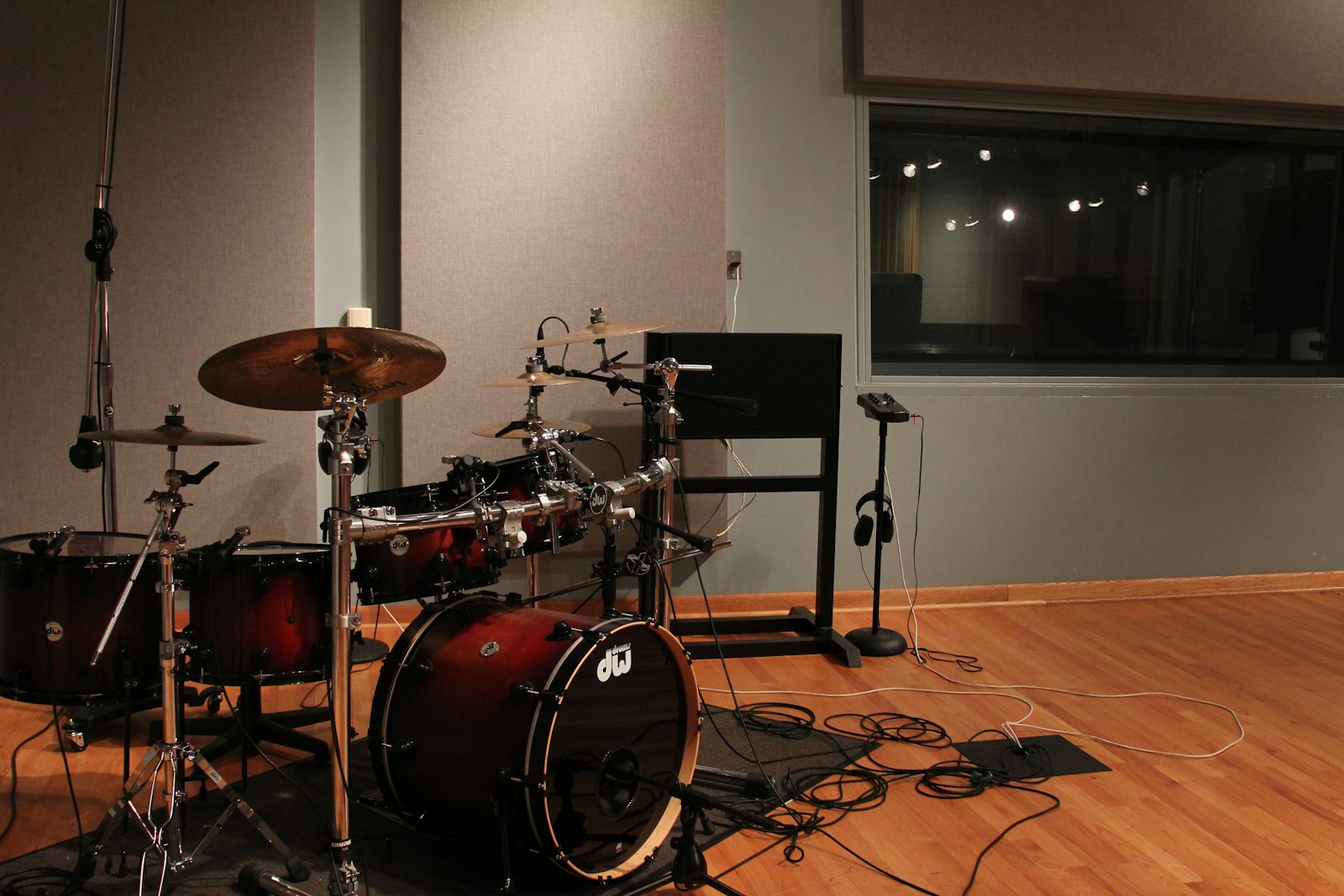
Record and produce at 24-bit, and pick 44.1 kHz for music or 48 kHz for video and streaming. Bit depth is the setting that actually matters, sample rate…
Keep your anchors (kick, snare, bass, lead vocal) dead center, then build outward by ear, hard-panning doubles and rhythm parts and spreading supporting…
There is no universal rule, and most pros use both. Cut problem frequencies before the compressor so it isn't reacting to junk, and shape tone or add…
Mixing blends all the individual tracks of one song into a single balanced stereo file; mastering takes that finished stereo and polishes it for loudness…
True peak measures the real analog level your samples will reconstruct into, which can climb higher than any single sample. Master with your limiter's…
No posts in that topic yet — .